
Are you struggling to keep your teeth clean with braces or other dental work? It’s incredibly common. The added complexity of brackets, wires, crowns, or veneers can make brushing feel like a monumental task, often leading to inadequate cleaning and increased risk of cavities and gum disease. Many patients find themselves frustrated and overwhelmed, wondering if their efforts are truly making a difference. This guide provides a detailed, step-by-step approach to mastering the art of brushing effectively, ensuring you maintain optimal oral cleanliness and protect your investment in your dental health.
Understanding the Challenges: Braces and other dental work create more surfaces for plaque to accumulate. Traditional brushing often misses these areas, leading to a buildup that can cause staining, discomfort, and ultimately, serious dental problems. A study published by the American Dental Association found that patients with braces are 3 times more likely to develop gingivitis (gum inflammation) compared to those without orthodontic treatment. This highlights the crucial need for specialized techniques and diligent care.
The Importance of Thorough Brushing
Brushing isn’t simply about moving a brush across your teeth; it’s about effectively removing plaque – a sticky film composed of bacteria, food debris, and saliva. Plaque harbors harmful acids that erode tooth enamel, leading to cavities. It also irritates the gums, causing gingivitis. When left unchecked, gingivitis can progress to periodontitis, a more severe form of gum disease that can lead to bone loss and tooth loss. Maintaining excellent oral hygiene with braces or other dental work is paramount not just for aesthetics but for long-term health.
Tools You’ll Need: A Customized Approach
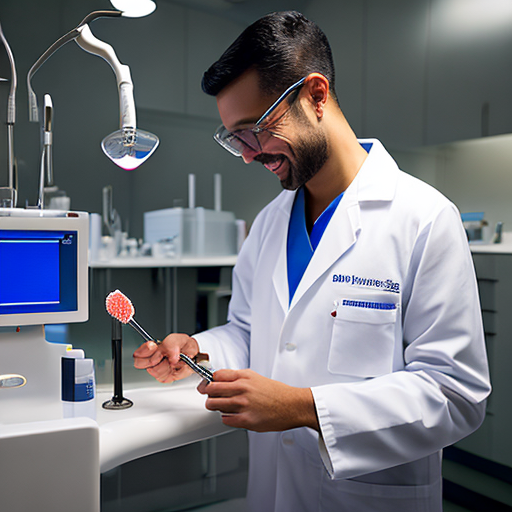
Choosing the right tools is vital. Don’t rely solely on a standard toothbrush; you need specialized instruments to effectively clean around brackets and wires. Here’s a breakdown of essential items:
- Orthodontic Toothbrush: These toothbrushes have softer bristles, angled heads, and sometimes even built-in prophycups for polishing. They are designed specifically to navigate the contours created by braces.
- Proximal Brush (Interdental Brush): These small, flexible brushes are essential for cleaning between teeth and under wires where a regular toothbrush cannot reach. They’re crucial for preventing food particles from lodging in these tight spaces.
- Rubber Tip Stimulators: These tools with rubber tips gently massage the gums, promoting blood flow and helping to remove plaque buildup along the gumline – particularly important when gums are inflamed due to braces.
- Water Flosser (Optional but Recommended): A water flosser can help dislodge debris from hard-to-reach areas and stimulate gums, complementing brushing.
- Specialized Cleaning Solution: Use a toothpaste formulated for sensitive teeth or one recommended by your orthodontist or dentist.
Step-by-Step Brushing Technique – The Right Way
Here’s a detailed guide to the optimal brushing technique, adapted for individuals with braces:
Phase 1: Pre-Brushing Rinse
- Rinse your mouth thoroughly with water or an antibacterial mouthwash.
Phase 2: Initial Brushing (30 seconds) – Focus on the Brackets
- Use a soft-bristled orthodontic toothbrush and apply light pressure.
- Angle the brush at 45 degrees towards the gumline.
- Brush both the outer and inner surfaces of each tooth, paying close attention to the areas around the brackets and wires. Circular motions are key for effectively dislodging plaque.
- Use short, gentle strokes, moving the brush back and forth along the teeth.
Phase 3: Proximal Cleaning (60 seconds) – Getting Between Teeth
- Insert a proximal brush into the space between your teeth and under the wires.
- Gently move the brush in short, back-and-forth motions to clean along the sides of each tooth.
- Repeat this process for every interdental space, ensuring you reach all areas inaccessible with the regular toothbrush.
Phase 4: Gumline Cleaning (30 seconds) – Stimulating the Gums
- Use a rubber tip stimulator to gently massage your gums along the gumline. This stimulates blood flow and helps remove plaque from beneath the gum tissue.
- Brush in small, circular motions around the base of each tooth.
Phase 5: Tongue Cleaning (30 seconds) – Eliminating Bacteria
- Use your toothbrush or a tongue scraper to clean your tongue, removing bacteria and freshening breath.
Specific Considerations for Different Dental Work
The brushing technique needs slight adjustments depending on the type of dental work you have:
Braces
As discussed above, braces require meticulous cleaning due to the increased surface area. Regular professional cleanings by your orthodontist are crucial in addition to your home care routine.
Crowns and Veneers
These restorations create a smooth surface that is more susceptible to staining. Use a mild abrasive toothpaste (with caution – check with your dentist) or a polishing powder specifically designed for crowns and veneers to maintain their shine. Brushing gently is paramount; excessive pressure can damage the restoration.
Dentures
If you wear dentures, clean them thoroughly after each meal using a denture brush and denture cleanser. Remove the dentures at night and soak them in water or a cleaning solution. Proper denture hygiene prevents bacterial overgrowth and gum irritation.
Maintenance and Long-Term Care
Maintaining optimal oral health with braces or dental work requires consistent effort and proactive maintenance:
- Frequency: Brush at least twice a day – once in the morning and once before bed.
- Duration: Spend a minimum of two minutes brushing each time.
- Flossing: Floss daily, using waxed floss or interdental brushes to clean between teeth and under wires. Daily flossing is non-negotiable.
- Regular Dental Checkups: Schedule regular appointments with your dentist and orthodontist for professional cleaning and checkups. Typically every six months, but your provider may recommend more frequent visits depending on your individual needs.
- Dietary Considerations: Limit sugary foods and drinks that contribute to plaque formation and staining.
Conclusion
Brushing effectively when you have braces or other dental work is a commitment – not a chore. By understanding the challenges, utilizing the right tools, adopting a thorough brushing technique, and maintaining consistent care, you can significantly reduce your risk of complications and maintain a healthy, beautiful smile. Remember that prevention is always better than cure, and diligent oral hygiene is an investment in your long-term health and well-being. Prioritize your oral health; it’s essential for overall wellness.
Key Takeaways
- Braces and dental work increase plaque accumulation.
- Use specialized tools like orthodontic toothbrushes and proximal brushes.
- Employ a thorough brushing technique, focusing on all surfaces of teeth.
- Don’t neglect interdental cleaning with floss or interdental brushes.
- Maintain regular professional checkups and cleanings.
FAQs
Q: Can I use regular toothpaste when I have braces?
A: While you can technically use regular toothpaste, it’s often not ideal. Orthodontic toothpastes are formulated with ingredients that help remove plaque and stains specifically designed for braces.
Q: How often should I replace my orthodontic toothbrush?
A: Replace your orthodontic toothbrush every 3-4 weeks, or sooner if the bristles become frayed. Frayed bristles are less effective at cleaning.
Q: Can I use mouthwash with braces?
A: Yes, you can use an antibacterial mouthwash after brushing to help kill bacteria and freshen breath. However, avoid rinsing immediately after brushing as this can wash away the fluoride from your toothpaste.
Q: What if I experience gum irritation with braces?
A: Contact your orthodontist or dentist immediately. Gum irritation is a common symptom of braces and can often be resolved with adjustments to your treatment plan or improved oral hygiene practices.
Q: How do I clean around my brackets properly?
A: Use the orthodontic toothbrush with its angled head to get under and around each bracket. The proximal brush is also essential for cleaning between teeth where brackets are located.